



How to store champagne
Preserve the elegance of every cuvées
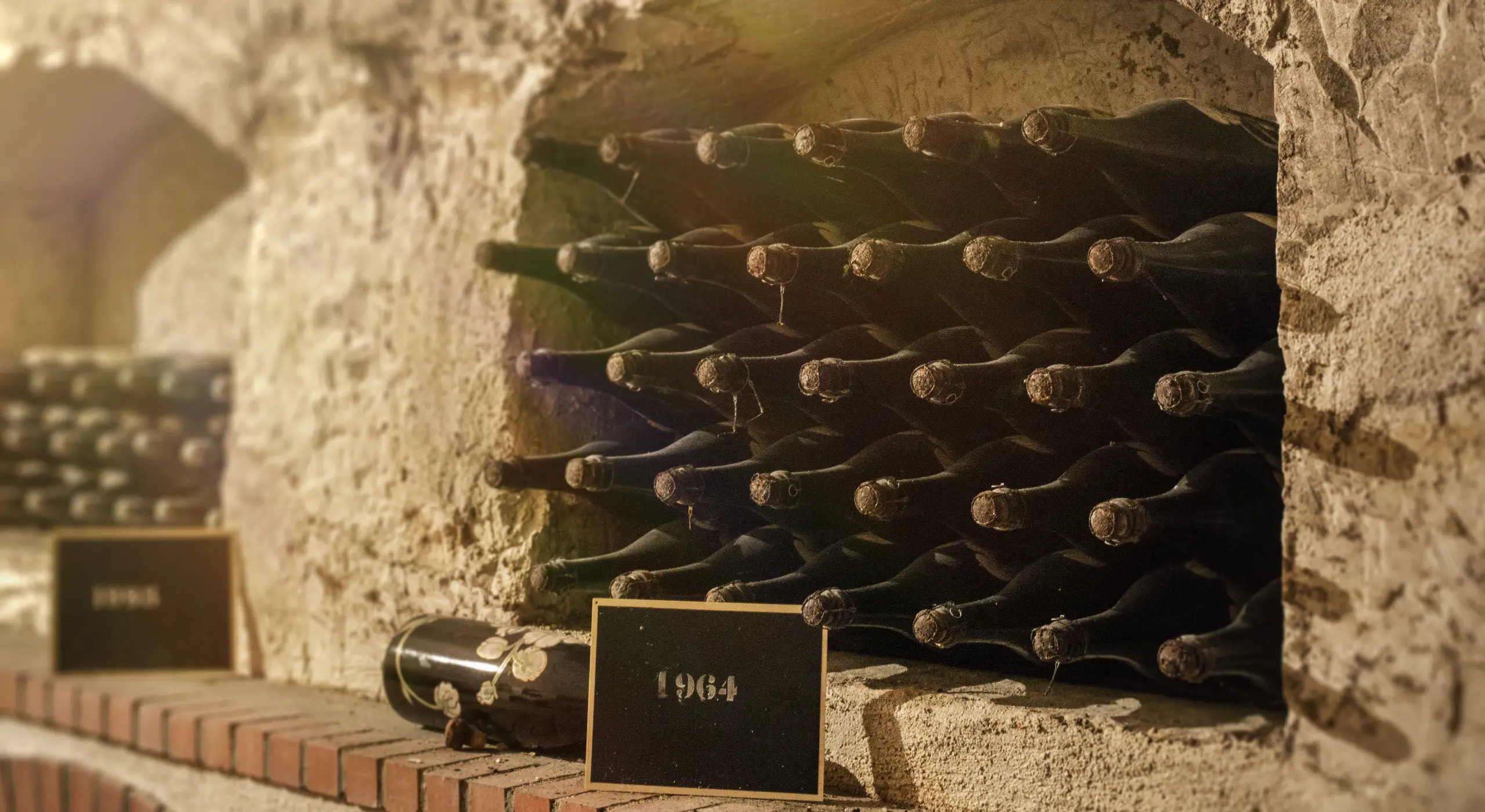
Champagne continues to evolve after disgorgement. Its freshness, aromatic expression and effervescence are all influenced by the conditions in which it is stored. From temperature and light to bottle position and humidity, these recommendations help preserve the elegance and distinctive style of Perrier-Jouët champagnes.
The art of ageing
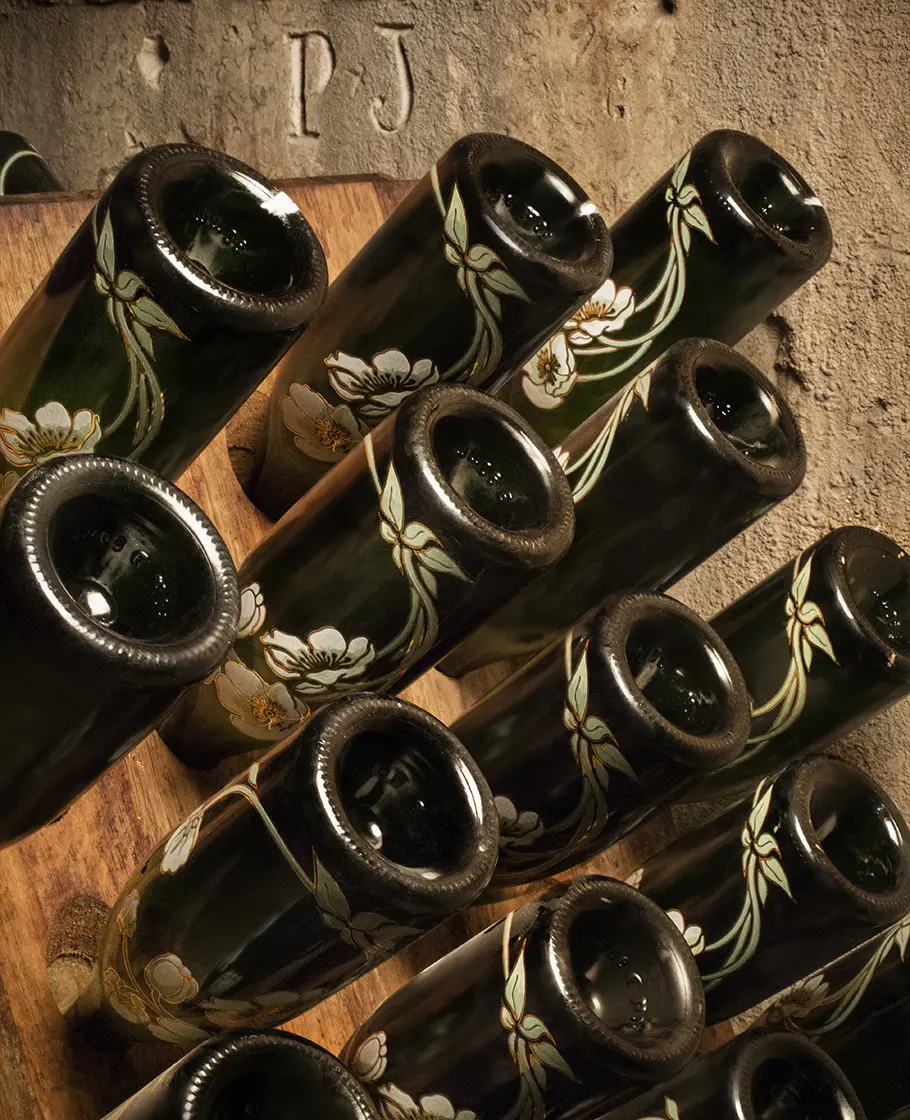
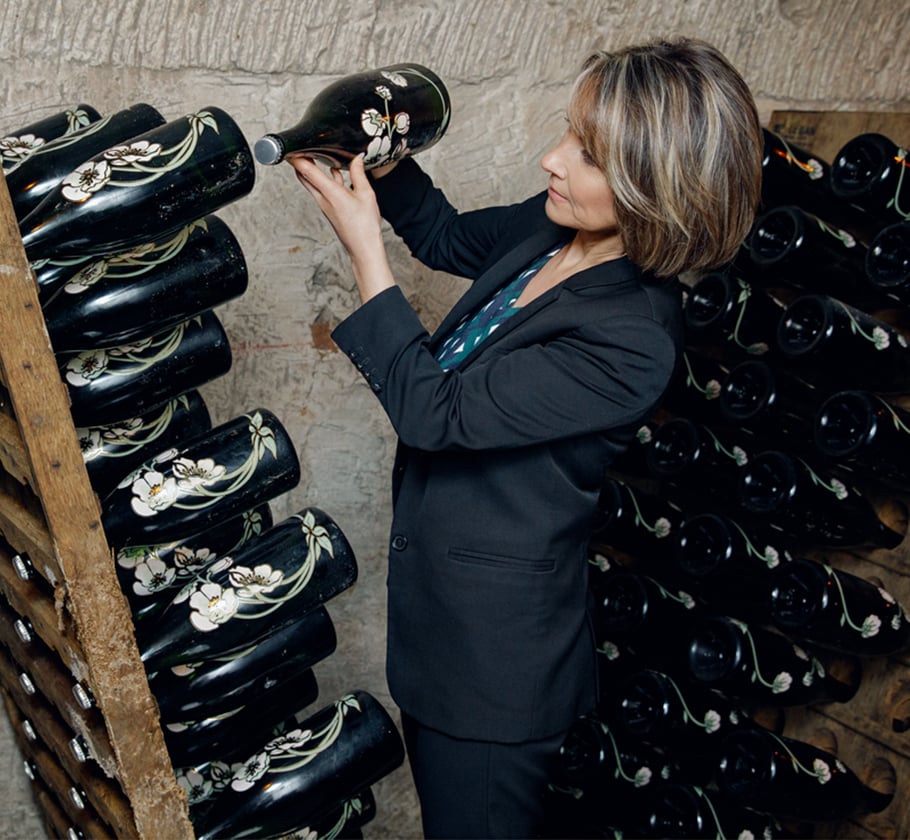
Unlike many still wines, champagne is released ready for tasting. Appellation regulations require a minimum of 15 months’ ageing on the lees for non-vintage champagnes and at least three years for vintage cuvées.
At Perrier-Jouët, this ageing period is extended to around three years for non-vintage champagnes and six to eight years for Belle Epoque vintage cuvées. This patient maturation allows each wine to develop the floral elegance, complexity and finesse that define the House’s style.
At Perrier-Jouët, this ageing period is extended to around three years for non-vintage champagnes and six to eight years for Belle Epoque vintage cuvées. This patient maturation allows each wine to develop the floral elegance, complexity and finesse that define the House’s style.
Before opening
From duration to brightness and temperature, several aspects should be considered when storing champagne at home.
How long can champagne be stored for?
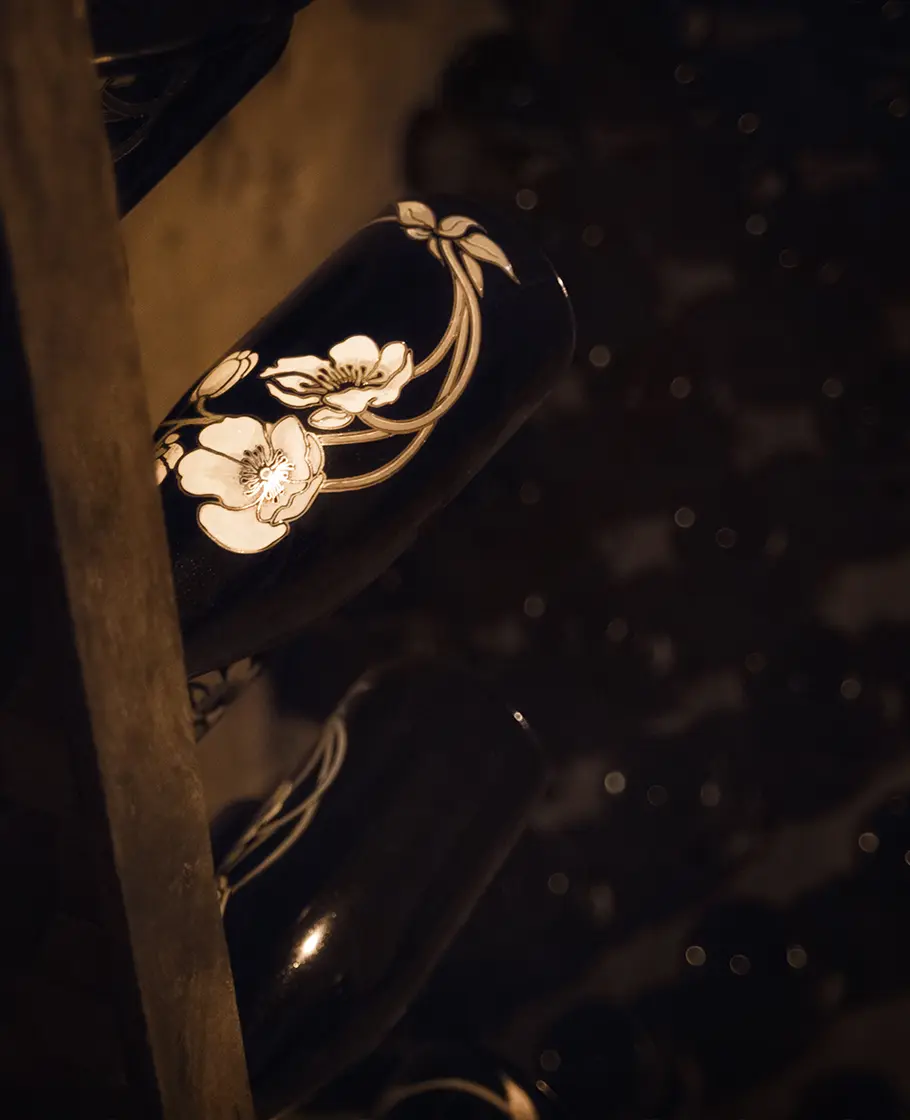
As a general guide, a 75cl bottle of non-vintage champagne can be cellared for two to four years. Vintage cuvées can continue to evolve beautifully for five to ten years under suitable conditions.
Magnums and larger bottle formats generally offer even greater ageing potential. Their larger volume slows oxidation, allowing vintage magnums to mature gracefully for up to fifteen years.
Magnums and larger bottle formats generally offer even greater ageing potential. Their larger volume slows oxidation, allowing vintage magnums to mature gracefully for up to fifteen years.
How to store champagne in optimal conditions
How long does an open bottle of champagne last ?
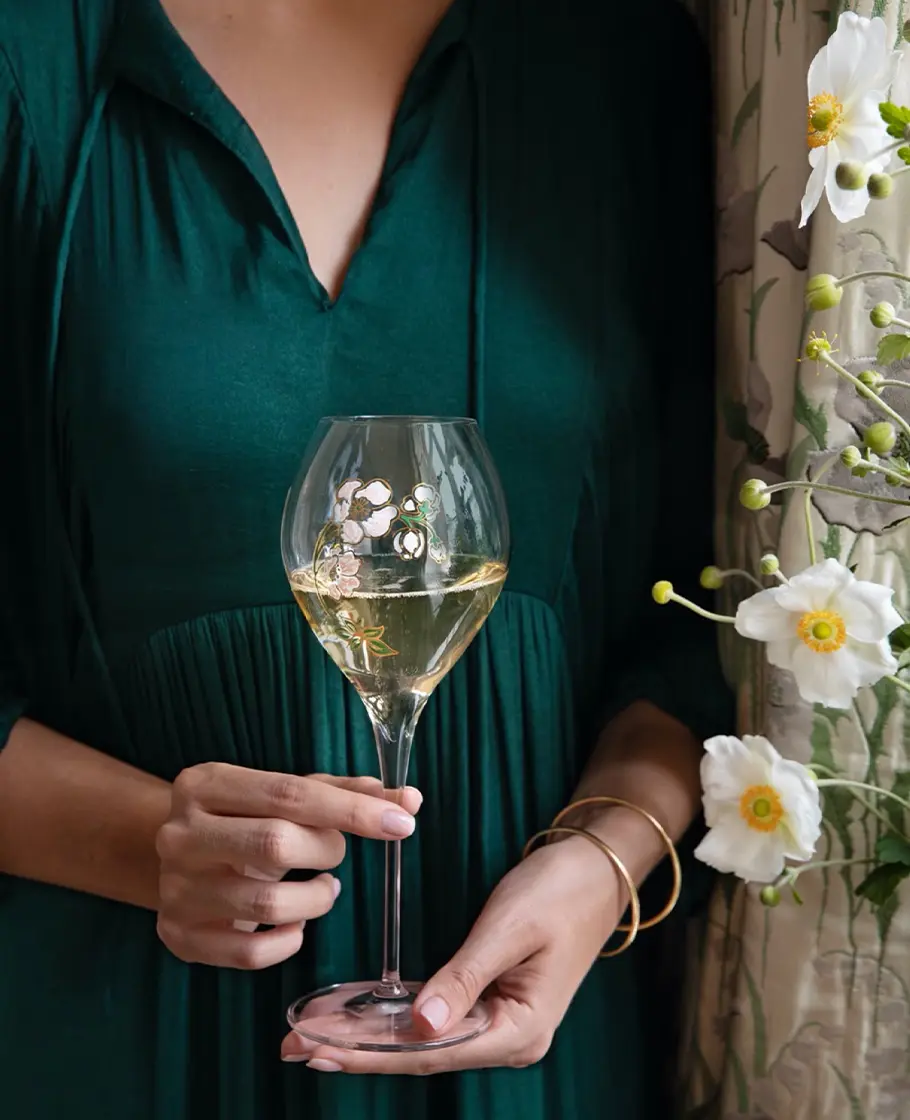
Once opened, champagne is best enjoyed within 48 hours when sealed with a champagne stopper and stored in the refrigerator.
Without a suitable stopper, the champagne will lose its bubbles more quickly and is best enjoyed within 24 hours.
Without a suitable stopper, the champagne will lose its bubbles more quickly and is best enjoyed within 24 hours.
Frequently asked questions
Before opening your champagne
How long can champagne be stored?
Champagne is released ready to enjoy, but many cuvées continue to evolve over time. As a general guide, non-vintage champagnes can be cellared for two to four years, while vintage cuvées may develop beautifully for five to ten years or more under ideal storage conditions.
Does champagne improve with age?
Some champagnes do. While all Perrier-Jouët champagnes are ready to enjoy upon release, vintage cuvées such as Belle Epoque can continue to develop greater aromatic complexity when properly cellared.
Why do magnums age better?
Magnums and larger bottle formats contain proportionally less oxygen relative to the volume of wine. This slower oxidation allows the champagne to mature more gradually, making larger formats particularly suitable for extended ageing.
Ideal storage conditions
What is the ideal temperature for storing champagne?
Champagne is best stored at a constant temperature of around 10°C. Avoid excessive heat, freezing temperatures and sudden fluctuations, which can affect the wine’s aromas, freshness and effervescence.
Should champagne be stored upright or on its side?
For long-term storage, champagne bottles are ideally kept horizontally. This allows the cork to remain in contact with the wine, helping preserve its elasticity and ensuring an effective seal.
What humidity is best for storing champagne?
A humidity level between 60% and 70% is recommended. This helps prevent corks from drying out while avoiding excessive moisture that may damage labels or encourage mould.
Does light affect champagne?
Yes. Champagne should be protected from direct sunlight and strong artificial light. Prolonged exposure may cause “light strike”, altering the wine’s aromas and freshness.
Storing an opened bottle
How long does an opened bottle of champagne last?
Once opened, champagne is best enjoyed within 48 hours if resealed with a champagne stopper and stored in the refrigerator. Without a stopper, it is generally at its best within 24 hours.
Can champagne be stored after opening?
Yes. A dedicated champagne stopper helps preserve both freshness and effervescence, allowing the wine to retain its character for up to two days.
Can champagne be frozen?
No. Freezing champagne is not recommended, as it may damage both the bottle and the wine’s aromatic balance.
Champagne storage essentials
Can champagne be stored in the refrigerator?
A refrigerator is ideal for chilling champagne before serving or storing an opened bottle. For long-term ageing, however, a cool, dark space with a stable temperature is preferable.
Is champagne stored differently from other sparkling wines?
The same principles apply to most high-quality sparkling wines: store bottles in a cool, dark environment with stable temperature and humidity. Vintage champagnes and prestige cuvées, however, often offer greater ageing potential and particularly benefit from careful cellaring.
How can I tell if champagne has been stored incorrectly?
Signs of poor storage may include a dried cork, faded labels from excessive humidity, or wines that have lost freshness and effervescence due to heat or light exposure. Proper storage helps preserve the champagne’s intended style and aromatic complexity.