

Tasting champagne is a feast for the senses and the emotions, but that’s not all... Discover the myriad of subtle choices, from the vineyard all the way to your glass, which make Champagne tasting such a unique experience.
Once you have read this short guide, you will be able to find the right style of Champagne for any occasion.
What is champagne made of?
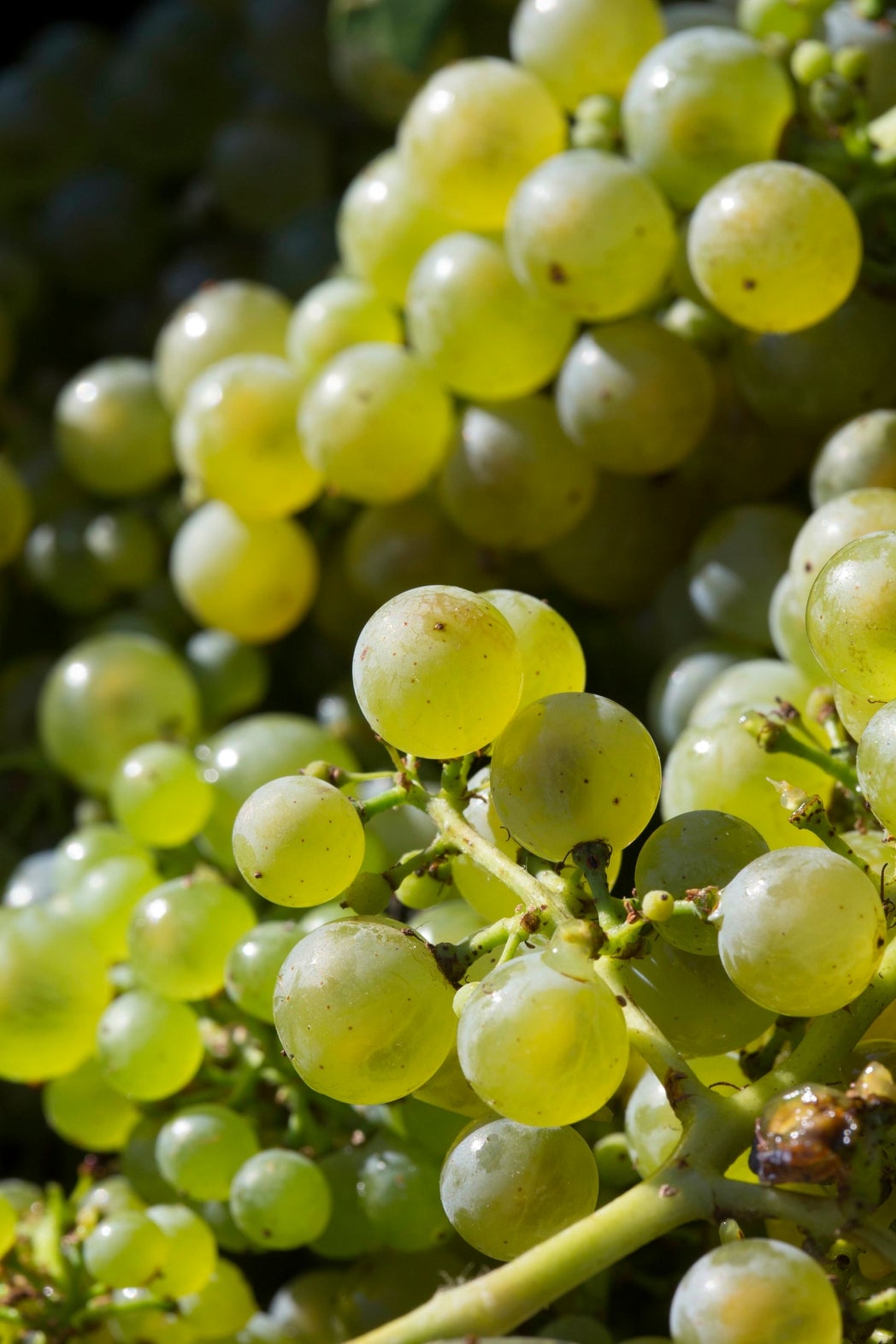
Champagne is made with grapes which grow on the chalky hillsides of France’s Champagne region. The weather conditions in Champagne are especially well-suited to the aromatic development of wine grapes. The grapes are picked, fermented and aged using methods specific to each individual Champagne house, as long as they stick to the rules of the appellation.
From autumn to late summer, winegrowers tend to them lovingly up until the harvest, when the grapes are picked one plot at a time before undergoing gentle pressing. Then come the stages which make champagne so unique, starting with the first fermentation and blending, which play an essential role in creating the personality of the wine under production.


This is followed by bottling, when “liqueur de tirage” is added, and secondary fermentation (or “prise de mousse”), which signals the emergence of the champagne’s emblematic bubbles. Maturation on the lees can thus begin, a crucial step in the wine’s aromatic development.
Then riddling and disgorging are performed to eliminate deposits and bestow the wines with their distinctive personality, as they first come into contact with oxygen after many months, while the “dosage” stage will give them a unique profile. The “liqueur de dosage”, the secret recipe of each House, is a small dose of sugar added to the champagne which determines its brut, dry, semi-sweet or sweet character.
Each bottle is then definitively sealed and cellared for further ageing before being proposed for tasting.
All of these stages, from the harvest to market release, always respect the PDO specifications, since champagne making is strictly regulated by its protected designation of origin status. The Champagne-making process needs to meet certain criteria in order to qualify for PDO (protected designation of origin) status. Location, grape varieties, winemaking techniques, ageing... The PDO specifications impose strict rules governing the creation of these exceptional wines.
Every Champagne house puts its own unique spin on this process, adding a personal touch honed vintage after vintage, century after century. At Perrier-Jouët a single grape variety, as fresh as it is elegant, has become the House’s calling card: Chardonnay. The house’s expertise in the growing, fermentation and ageing of this iconic grape variety inspired Perrier-Jouët to launch its very first 100% Chardonnay bottlings in the 1920s, long before this type of Champagne became familiar under the name ‘Blanc de Blancs’.
Perrier-Jouët’s other bottlings also comprise a large proportion of Chardonnay, blended with varying doses of Pinot Noir and Meunier to achieve the complex, floral style which is the hallmark of the House’s Champagnes.
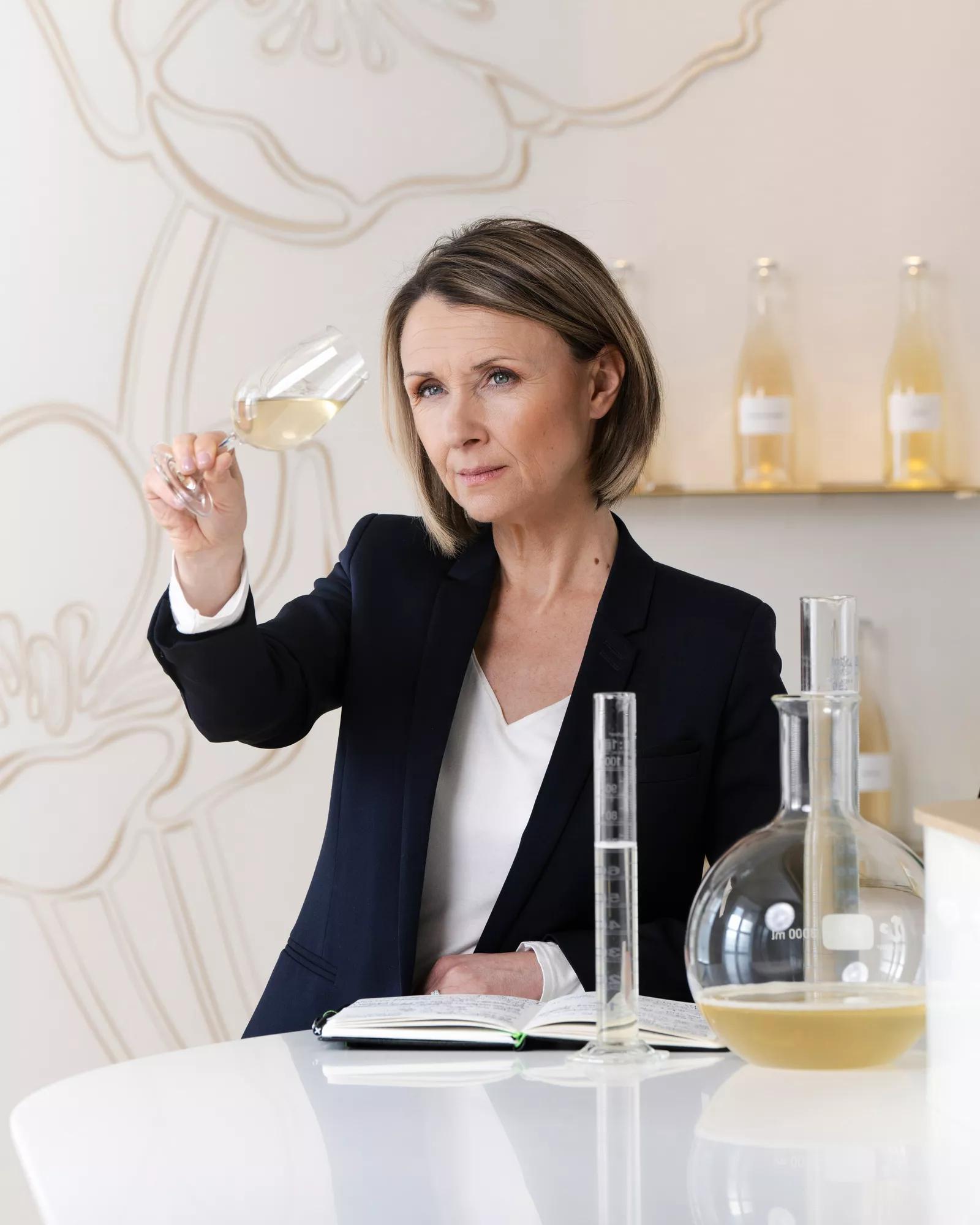
Séverine Frerson, Cellar Master at Perrier-Jouët, devotes particular care to the texture of her Champagnes. She describes them as being reminiscent of flower petals: soft, velvety, silky. As you savor your favorite Perrier-Jouët Champagne, you may just catch yourself saying something similar...
What does champagne taste like?
Each Champagne house has its own aromatic signature, and each cuvée has its own distinctive style. But there are some characteristics that all Champagnes share, such as a dash of lively acidity and prominent white and yellow fruit aromas (peach, apple, apricot), hints of citrus (lemon, yuzu, grapefruit) and more rounded notes which appear during the ageing process (almond, brioche etc.).
Our individual olfactory and sensory memories play a major role in the tasting experience, conjuring up images of dishes, plants and materials that we have encountered over the course of our lives.
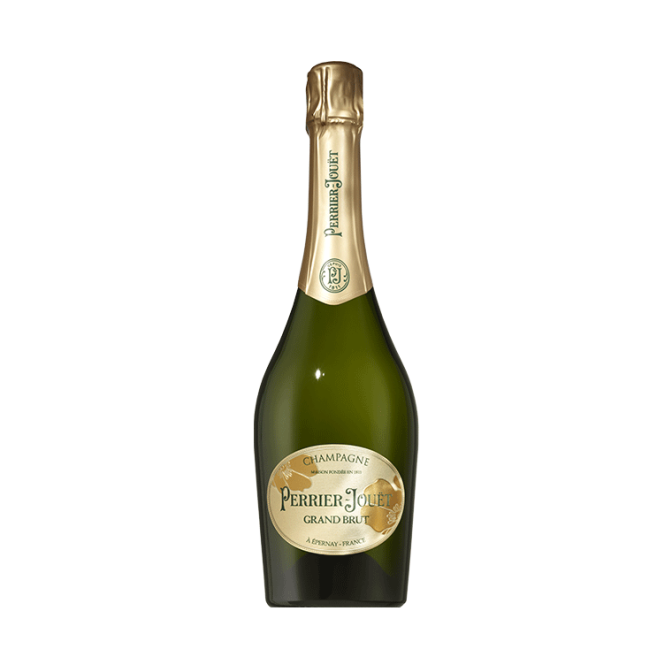
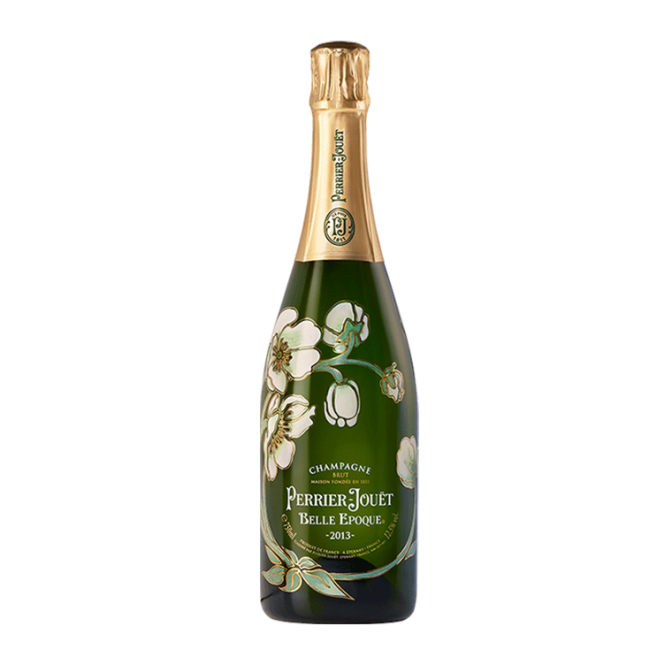
For Séverine Frerson, Perrier-Jouët Grand Brut champagne has a nose bursting with “floral aromas and fresh fruit notes, with hints of vanilla and buttery brioche.” The 2014 Belle Epoque Brut, meanwhile, displays “notes of wild peach, poached pear and tangy rhubarb.”
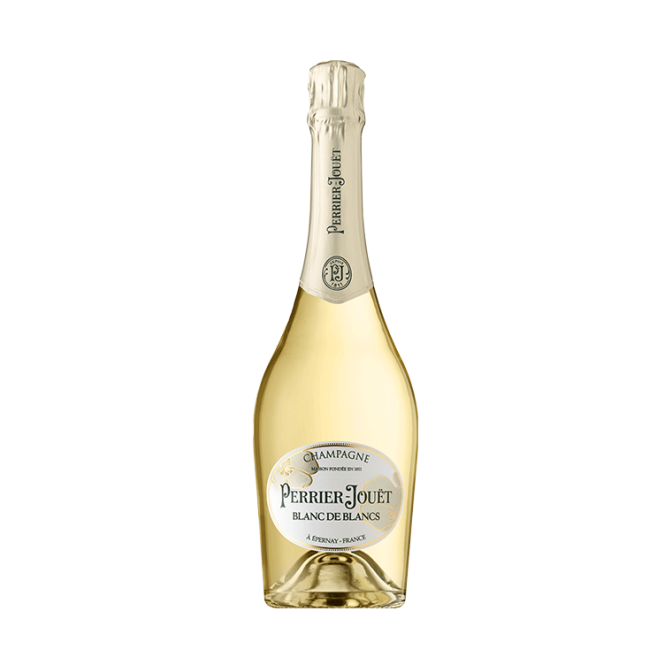
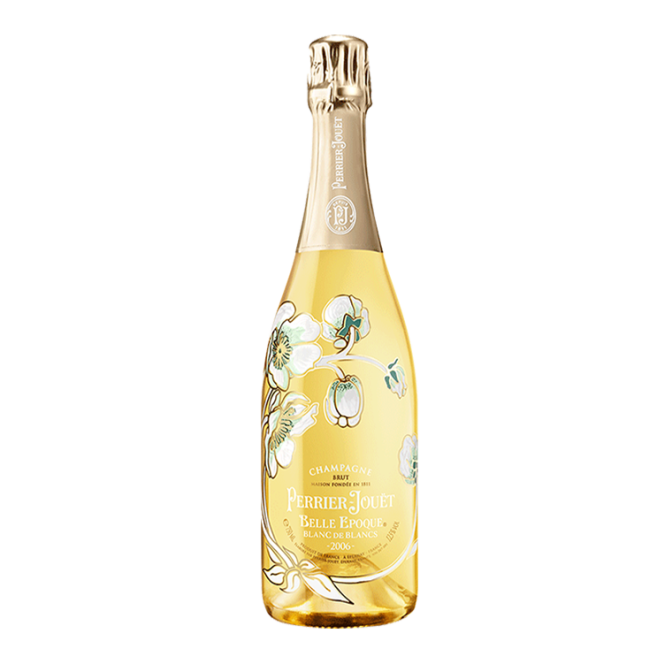
Among the House’s 100% Chardonnay bottlings, she describes the Perrier-Jouët Blanc de Blancs as being “defined by bold citrus aromas and floral flavors”, while the 2014 Belle Epoque Blanc de Blancs seduces the palate with its “fleshy texture and delicious notes of lemon meringue pie.”
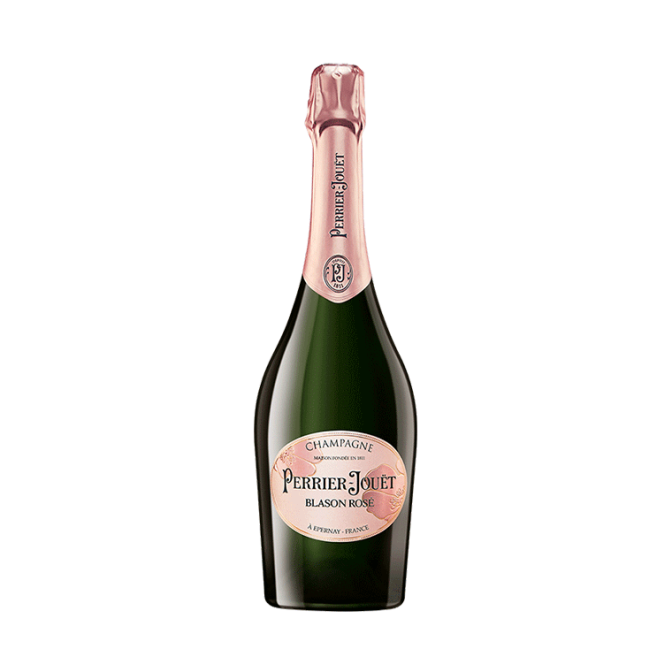
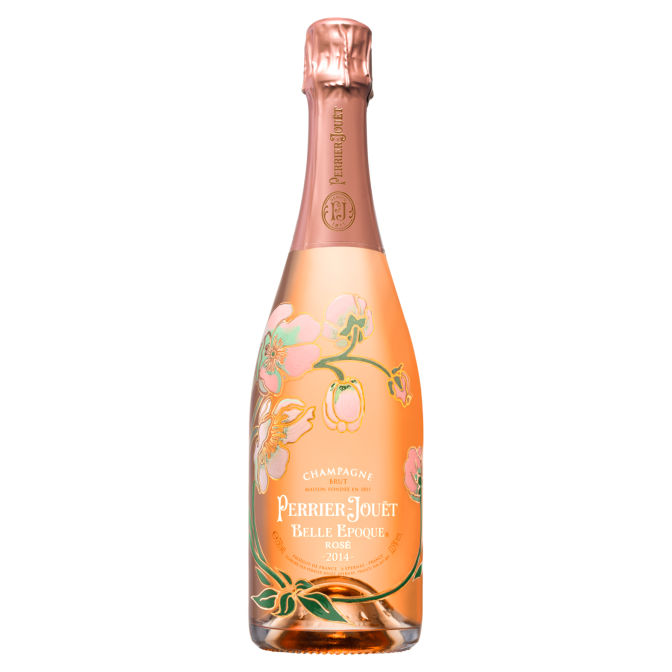
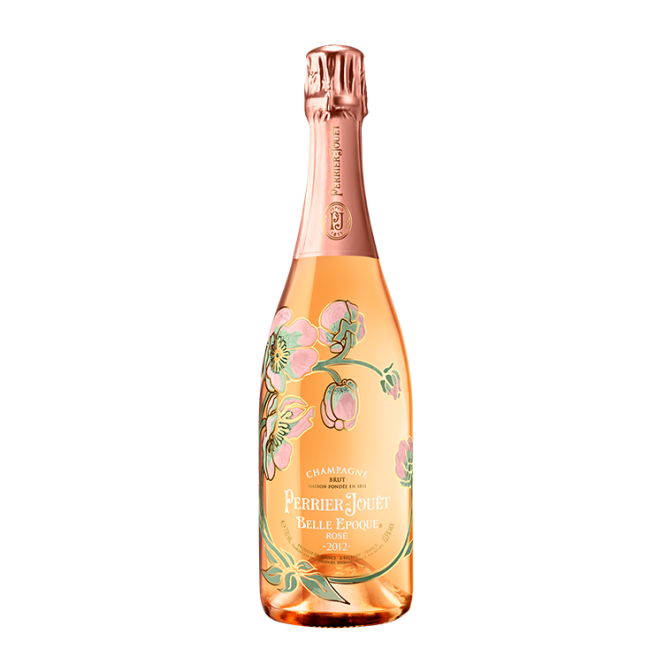
Finally, Perrier-Jouët Blason Rosé boasts a nose dominated by “intense aromas of ripe red and black berries, with an exotic splash of pomegranate”, while the Perrier-Jouët Belle Epoque Rosé “reveals distinctive pink peony and cherry blossom aromas, studded with red fruit notes and a pinch of mandarin orange.”
What aromas will you detect when tasting your favorite Perrier-Jouët cuvées?
Tasting champagne
The first step when preparing for a Champagne tasting is to make sure that the bottle is at the perfect temperature, allowing the wine to express its full aromatic profile.
Perrier-Jouët Grand Brut and Perrier-Jouët Blanc de Blancs are best served at around 50°F (10°C). As for Perrier-Jouët Blason Rosé, it will really show the very best of itself at around 50-54°F (10-12°C).
Vintage champagnes should ideally be served at around 54°F (12°C), and that is certainly true of Perrier-Jouët Belle Époque Brut, Belle Epoque Blanc de Blancs and Belle Époque Rosé.
Take the time to bring your bottles to the right temperature, and whatever you do, avoid putting them in the freezer - a sudden chill could negatively impact the aromas. The best solution is to lay your bottles down on the lowest shelf in your refrigerator for about 2 hours.
Now delicately pour the Champagne into the glass, and let the tasting begin!
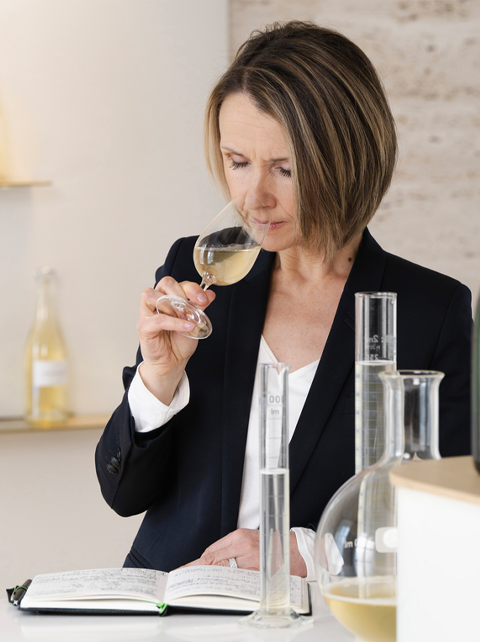
Start by admiring its shimmering robe and its fine, delicate bubbles.
Next turn your attention to the nose: what aromas do you first detect? Now swirl it gently in the glass and see what has changed.
Finally, savor the texture and flavors of your Champagne: what notes do you perceive on the palate? To amplify those sensations, try drawing in a little bit of air over your tongue as you take your first sip.
Find the style you like
The best way to get to know your own Champagne preferences is to taste a few different varieties and decide which one is right for you, and for the occasion: a Blanc de Blancs with Saturday brunch, for example, or a Belle Époque vintage edition for a birthday celebration.
For aperitifs or Sunday brunches, the Perrier-Jouët Grand Brut cuvée is wonderful with meat and fish dishes. Perrier-Jouët Blanc de Blancs goes marvelously with seafood. Planning a barbecue? We recommend choosing a Perrier-Jouët Blason Rosé. For Severine Frerson, the House’s Cellar Master, “this wine is well-balanced and particularly well-structured. With a grilled rib steak, this characterful champagne will rise to the occasion.”
Belle Epoque vintage cuvées are ideal for celebrating special events. These are cuvées that we open with the intent on savoring them. During gastronomic lunches and dinners, Belle Epoque Brut goes beautifully with sole and king prawns while Belle Epoque Blanc de Blancs is the perfect partner for scallops, sea bass, lobster and Norway lobster. If you prefer meat, Belle Epoque Rosé is the accompaniment of choice: duck breast particularly enhances the aromas of this cuvée.
But nothing beats tasting and experimenting to make up your own mind. It’s up to you to find the right Champagne to match the occasion, and the guests!